A Cat Disturbed by a Beetle: Creative Ideas
There is something quietly captivating about the moment a cat notices a beetle. The cat freezes. One ear twitches. The beetle, unaware or indifferent, continues its erratic path across the floor. What follows is a small drama of curiosity, hesitation, and sudden movement. This everyday scene—a cat being disturbed by a beetle—may seem trivial at first glance, but it holds surprising depth for anyone working in creative fields. Whether you are a designer, marketer, writer, educator, or entrepreneur, this simple interaction can spark ideas, inform storytelling, and even shape how you approach your work. Let us explore why this tiny encounter matters and how you can use it as a springboard for original, effective creative projects.
Why This Tiny Scene Captures Attention
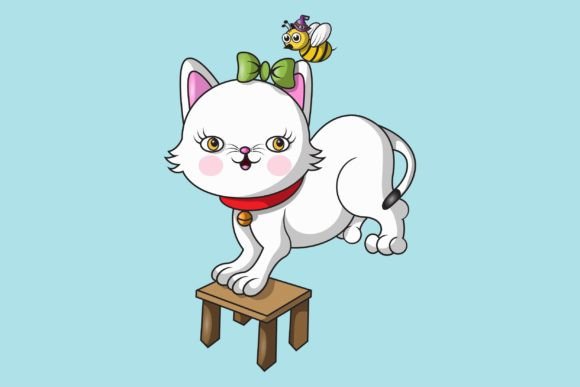
The appeal of a cat being disturbed by a beetle lies in its tension. The cat is larger, faster, and clearly in control of the situation, yet the beetle triggers a shift in the cat's state. The animal goes from calm to alert, from repose to readiness. That transition—from stillness to action—is what makes the moment compelling. It is relatable, visually clear, and emotionally resonant without being dramatic.
For creative professionals, this scene offers a microcosm of how disruption works. A small element enters a stable environment, and everything changes. That is a narrative pattern you can apply to branding campaigns, product launches, educational content, or visual art. The beetle does not need to be loud or aggressive. It only needs to be present. The disturbance it causes is enough to generate interest.
The Visual Contrast That Works Every Time
From a design perspective, the cat and beetle juxtapose size, texture, and movement. The cat is soft, warm, and familiar. The beetle is small, hard, and alien. This contrast creates a natural focal point. If you are creating thumbnails, social media graphics, or illustrations, this setup gives you instant visual hierarchy. The viewer's eye lands on the cat first, then follows the line of attention to the beetle. That simple scanning path is what makes thumbnails and posters effective.
Marketers and content creators can learn from this. The beetle represents the unexpected detail that draws deeper engagement. A headline that seems ordinary becomes compelling when paired with a contrasting visual or a surprising data point. The cat being disturbed by a beetle models how to lead an audience from comfort to curiosity without losing their trust.
Creative Applications Across Mediums and Goals
This scenario is not limited to one format or audience. It adapts naturally to many contexts because the core dynamic—a small disturbance altering a larger system—is universal. Below are several ways to apply this idea to real projects.
Illustration and Sequential Art
For illustrators, the cat-and-beetle moment offers a perfect study in expression and body language. The cat's ears, pupils, tail, and posture all communicate its internal state. A single image can tell the entire story, but a sequence of three to five panels can capture the progression from calm to alert to action. This works well for comic strips, children's book spreads, or animated shorts. The beetle does not need to be detailed—a simple dark shape works better because it lets the cat's reaction carry the narrative.
If you are creating for a younger audience, lean into the curiosity rather than the tension. Show the cat investigating the beetle with cautious interest. If your audience skews older, emphasize the subtle humor of the cat being unsettled by something so small. Both approaches respect the core scenario while tailoring the tone.
Brand Storytelling and Social Media Content
Brands often struggle to make their content feel human. A cat being disturbed by a beetle is inherently human because it captures a minor, relatable disruption. Use this as a metaphor in a short video or a carousel post. For example, a productivity app could show a "beetle" moment—a small notification that distracts a focused worker—and then demonstrate how the app helps manage that interruption. The viewer recognizes the pattern and stays engaged because the story feels true.
For social media, the format matters. A 15-second vertical video works well: show the cat noticing the beetle, hold the look, then cut to a product or message. Keep the audio minimal. Ambient floor sounds or soft curiosity music reinforce the mood. Do not overproduce it. The raw quality of the original observation—the cat being disturbed by a beetle—is what makes it feel authentic.
Educational and Explanatory Content
Teachers, trainers, and educators can use this scenario to explain concepts like attention, stimulus-response, or ecosystem interactions. In a biology lesson, the beetle and cat represent predator-prey dynamics, but the disturbance angle opens a discussion about how animals assess threats. In a psychology class, the same scene illustrates how unexpected stimuli trigger orienting responses. The concrete example sticks with learners better than abstract definitions.
For content creators making explainer videos, this scene provides a visual anchor. Start with the cat and beetle, then zoom out to broader principles. The shift from specific to general keeps viewers oriented. You can return to the cat image at the end as a recap device. Because the scenario is simple, it does not compete with the information you are teaching. It supports it.
Adapting the Idea for Different Audiences and Platforms
Not every audience will connect with a cat being disturbed by a beetle in the same way. Your job is to adjust the framing, tone, and medium without losing the core insight.
For Hobbyists and Personal Projects
If you are creating for yourself or a small community, focus on the emotional truth of the moment. The beetle does not need to be realistic. It can be stylized, abstract, or even symbolic. Use this scene as a warm-up exercise for observational drawing or as a prompt for a short poem or micro-fiction. The goal is not polish but exploration. Let the disturbance inspire you to notice other small shifts in your environment.
For Professional Clients and Commercial Work
When working with clients, frame the cat-and-beetle dynamic as a case study in contrast and tension. Show them how a small design element—a contrasting color, an unexpected sound, a momentary pause—can create the same effect in their marketing or product. Use the scene to illustrate the concept of "productive disruption." The beetle does not destroy the scene; it changes it. That is a powerful message for brands looking to refresh without overhauling their identity.
Present the idea as a mood board or storyboard. Keep the language practical. "This is how a small detail catches attention and holds it." That sentence alone can open a conversation about hierarchy, pacing, and audience psychology.
For Educators and Workshop Leaders
Use the scenario as a group exercise. Show a short clip or image of a cat being disturbed by a beetle, then ask participants to describe what they see. Notice the range of interpretations. Some focus on the beetle, others on the cat's reaction, others on the environment. This exercise reveals how attention works in a room of diverse people. You can then connect that insight to audience analysis or user experience design.
Practical Guidance for Keeping Your Version Clear and Original
The simplicity of the cat-and-beetle scenario is both its strength and its risk. Because it is easy to understand, it can also be easy to execute poorly. The following guidelines will help you maintain clarity, originality, and audience respect.
Strip Away the Non-Essential
When you adapt this idea, ask yourself what each element contributes. If the beetle is not doing anything specific, remove it or give it a clearer role. If the cat's reaction is not visible enough, zoom in or slow down the pace. Every frame, word, or line should serve the disturbance. Audiences feel the difference between intentional design and filler.
In writing, do not explain the metaphor in detail. Show the cat and beetle. Let the reader connect it to your brand or lesson on their own. Trust their intelligence. Over-explanation weakens the effect.
Use Constraints to Force Originality
Limit yourself to one format, one color palette, or one sentence. A black-and-white charcoal drawing of the cat's eyes reflecting the beetle. A single sentence that captures the moment: "She was still until she wasn't." Constraints force you to find the essential gesture. That gesture is what makes your version distinct from someone else's.
Test for Universal Readability
Show your version to someone who knows nothing about your project. If they can describe the scene back to you accurately, you have succeeded. If they focus on the wrong detail, adjust the composition or framing. The cat being disturbed by a beetle should be instantly readable even when abstracted or stylized. That readability is the foundation of effective communication.
Keep the Human Element Central
Even though the scene involves animals, the real subject is the experience of being interrupted. Every person knows what it feels like to be pulled out of a comfortable state by a small, unexpected thing. Your creative version should honor that universal feeling. Whether you are making a humorous meme, a serious illustration, or a brand film, the emotional core is the same. Stay connected to that, and your work will feel grounded no matter how experimental the style.
Moving From Observation to Action
A cat being disturbed by a beetle is, in the end, a prompt. It asks you to notice how small inputs create large responses. For creators, designers, marketers, and educators, that awareness is a tool. It helps you build compositions that guide attention, write stories that hold tension, and design experiences that feel alive.
Start with the scene itself. Watch a real cat if you can, or recall one you have seen. Let that observation sit with you. Then ask: what is the beetle in my current project? What small element could shift the energy, surprise the audience, or deepen the engagement? The answer does not have to be dramatic. It just has to be honest. That honesty, drawn from a moment as ordinary as a cat noticing an insect, is what makes creative work feel human.
Take the idea and adapt it to your own context. Whether you illustrate it, write about it, or use it as a metaphor in a marketing campaign, the original observation will hold. The cat was disturbed. The beetle was small. And from that simple imbalance, a whole story unfolded.