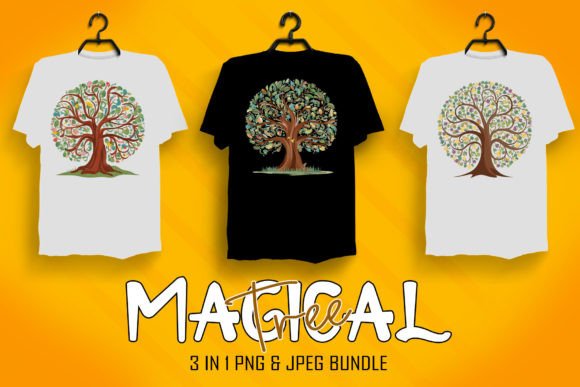
Free Magical Tree Clipart Illustration
Design assets are often treated as afterthoughts—something to grab quickly when a project needs decoration. But experienced creators and business owners know that a single visual can carry meaning, set tone, and shape perception. A free magical tree clipart illustration is one such asset. It is not merely a decorative element. It is a tool that, when chosen and applied with intention, can support branding, communication, and creative projects in ways that feel effortless but yield lasting impact.
Whether you are a small business owner preparing product mockups, a blogger building a visual identity, or a freelancer crafting client presentations, the right illustration can save time, reinforce your message, and elevate your work without requiring advanced design skills. This article explores how to approach a free magical tree clipart illustration strategically—not as a random download, but as a deliberate choice that supports your goals.
The Strategic Value of a Single Visual Asset
Every visual you choose communicates something. A magical tree clipart illustration brings with it associations of growth, nature, imagination, and stability. These are not trivial qualities. When you place such an image in a logo, a t-shirt design, or an educational handout, you are telling your audience something about your brand or your message without using a single additional word.
From a strategic standpoint, this type of illustration can serve multiple functions:
- Positioning: A whimsical tree can soften a brand that might otherwise feel too technical or corporate.
- Communication: In presentations or blog posts, a visual metaphor of a tree helps audiences grasp ideas like growth, roots, branching out, or deep foundations.
- Efficiency: High-quality PNG files with transparent backgrounds and generous dimensions—like 4500 x 5400 pixels at 300 dpi—eliminate the need for time-consuming editing or resizing. You can drop them into most platforms and projects immediately.
This is not about decoration for decoration’s sake. It is about using a resource that aligns with your message and reduces friction in your workflow.
Goals That Benefit from Intentional Visual Choices
When you use a free magical tree clipart illustration thoughtfully, it supports several practical goals. Entrepreneurs often need to build brand recognition quickly and on a limited budget. A consistent visual theme, anchored by a distinctive illustration, can create a recognizable identity across products, social media, and packaging. For marketers, the same illustration becomes a reusable asset in email headers, landing page graphics, or promotional materials—maintaining visual coherence without hiring a designer for every update.
Educators and trainers can use such visuals to make learning materials more engaging. A tree illustration can anchor a lesson on ecosystems, family trees, or organizational structures. It becomes a teaching aid rather than mere decoration. Bloggers and publishers benefit similarly: a strong featured image or section divider can increase reader retention and make content feel more polished.
Freelancers and creative professionals working on print-on-demand products—art prints, t-shirts, mugs, tote bags—need assets that meet platform requirements. A file at 4500 x 5400 pixels with transparent background and 300 dpi resolution is ready for print. No upscaling, no background removal, no quality loss. That is not a small advantage when you are managing multiple product listings and need consistency across your catalog.
When and How to Deploy This Type of Illustration
Timing and context matter. A magical tree clipart illustration works well in projects where you want to evoke a sense of wonder, natural beauty, or timelessness. It can be appropriate for children’s products, fantasy-themed merchandise, eco-conscious brands, educational materials, or spiritual and wellness content. It may feel out of place in highly technical or industrial contexts unless you deliberately use contrast to create a memorable effect.
Approach the deployment in stages:
- Define the role of the visual. Ask yourself: Is this illustration the main focal point, a supporting element, or an accent? Its size, placement, and surrounding content should reflect that role.
- Test integration. Because the file comes with a transparent background, you can overlay it on different backgrounds, textures, or patterns. Test a few variations before committing to one.
- Maintain consistency. If you use the same tree illustration across multiple products or platforms, keep its color treatment and positioning consistent to reinforce brand recognition.
- Consider your audience. A whimsical tree may appeal differently to children, young adults, or professionals. Align the style with the expectations of the people you are trying to reach.
Practical Examples Across Different Use Cases
Consider a small business owner launching a line of organic skincare products. Using a free magical tree clipart illustration on the product labels and social media graphics creates a cohesive natural aesthetic. The tree suggests purity, growth, and connection to nature. The high-resolution PNG ensures the label looks crisp in print, and the transparent background allows the tree to sit seamlessly on different bottle colors.
For a freelance designer creating a pitch deck for a client in the education space, the tree illustration can serve as a recurring visual motif throughout the presentation. It appears on the title slide, section dividers, and the final thank-you page. This repetition reinforces the theme of growth and learning without requiring extra design hours.
A blogger writing about personal development might use the tree as a featured image for a post about building strong habits. The visual metaphor does the work of signaling content before the reader reads a single line. It invites curiosity and sets a reflective tone.
In each case, the illustration is not chosen randomly. It is selected because it supports a specific goal: brand positioning, presentation coherence, or reader engagement.
Common Missteps and How to Avoid Them
The most common risk when using a free magical tree clipart illustration is using it without a clear purpose. When visuals are added as filler, they can confuse or distract rather than enhance. A tree that has no connection to your message may create a sense of mismatch, especially in professional or commercial contexts. Audiences notice when an image feels arbitrary.
Another risk is overuse. Even a beautiful illustration loses impact when it appears in every single piece of content without variation. Consider rotating the treatment—changing the color overlay, flipping the orientation, or pairing it with complementary elements—to keep it fresh while maintaining continuity.
Resolution and format also matter. While the file provided is large and print-ready, resizing it too small or compressing it aggressively can degrade quality. Always keep the original file as a master and export compressed versions only when needed for web use.
Finally, avoid assuming that because the clipart is free, it has little value. Quality assets at no cost can still serve professional work when they meet technical specifications and align with your vision. The value lies not in the price tag but in how well the asset serves your purpose.
Planning Your Approach for Long-Term Results
To get the most from a free magical tree clipart illustration, treat it as part of a broader visual strategy rather than a one-off download. Plan ahead by considering where and how you will use it over the next several months. Will it appear on products, website graphics, social media posts, or printed materials? Each channel may require slight adjustments to color, size, or placement.
Create a simple usage guide for yourself or your team: note the file dimensions, recommended background colors, acceptable scaling limits, and any modifications you plan to apply. This prevents inconsistency and saves time when you need to produce new content quickly.
If you run multiple projects, decide whether this illustration will be a signature element of one brand or a reusable asset across different contexts. Using the same tree for unrelated projects can dilute its impact. Instead, reserve it for work that shares a thematic connection.
Also consider future content needs. The dimensions of 4500 x 5400 pixels give you room to crop and zoom without losing quality. You can extract portions of the tree for smaller elements like icons or borders, extending the usefulness of the original file far beyond a single placement.
Making the Decision That Fits Your Context
Ultimately, choosing a free magical tree clipart illustration comes down to fit. Does the visual support the message you want to communicate? Does it meet the technical demands of your platform? Does it resonate with the audience you are trying to reach? If the answer to these questions is yes, then the illustration is not just a nice addition—it is a practical asset that improves your work.
For entrepreneurs and small business owners, time and budget are often limited. A high-quality asset that is ready to use, requires no editing, and works across print and digital saves both. For educators and creators, it provides a visual shorthand that communicates complex ideas simply. For marketers, it offers consistency and recognizability without recurring design costs.
The risk is not in using the asset. The risk is in using it without thinking. When you approach any visual asset—even a free one—with the same strategic care you apply to your messaging and planning, you elevate your output. The result is work that looks intentional, feels cohesive, and resonates with the people who matter most to your goals.
Before your next project, take a few minutes to consider not just what you want to create, but what you want it to communicate. If a magical tree fits that vision, you already have a resource that is ready to deliver. Use it deliberately, and let it carry part of the meaning for you.