The Art and Application of Colorful Alcohol Ink Floral Illustrations in Modern Creative Work
Understanding the Medium: Alcohol Ink Meets Floral Design
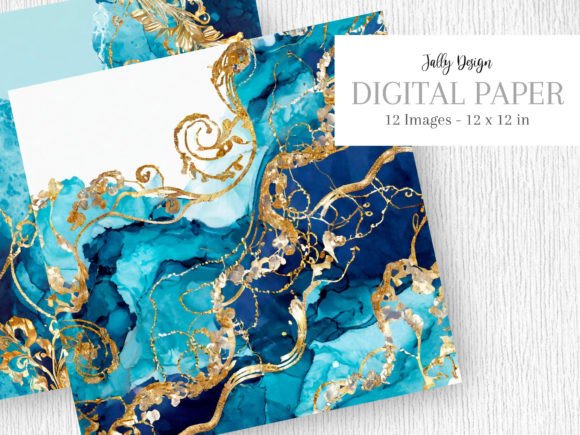
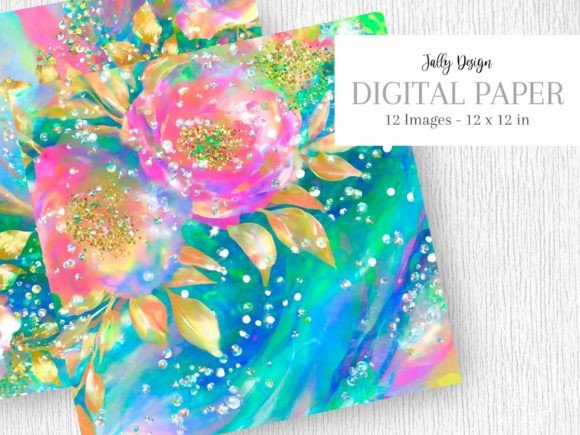
Colorful Alcohol Ink Floral Illustration represents a compelling fusion of fluid art techniques and botanical subject matter. Unlike traditional painting methods that rely on brushes and precise control, alcohol ink flows freely across non-porous surfaces, creating organic blooms, feathery edges, and unexpected color interactions. When this technique is translated into digital format through AI-generated illustrations, the result is a collection of images that retain the unpredictability of physical alcohol ink while offering the reproducibility and versatility of digital assets.
The process behind these illustrations begins with training AI models on thousands of examples of real alcohol ink paintings, allowing the algorithm to understand how pigments spread, pool, and layer. The AI then generates entirely new compositions that mimic these behaviors, producing floral motifs that feel both handcrafted and impossibly detailed. Each image in the Colorful Alcohol Ink Floral Illustration set contains the telltale signs of the medium: solvent rings, pigment blooms, and translucent overlays that give the flowers depth and luminosity.
What sets this collection apart is the intentional curation. The ensemble has been carefully selected to represent a range of color palettes, from fiery sunsets to cool ocean tones, ensuring that creators have options for any mood or project. The AI generation process also means that each illustration is unique, with no two pieces sharing identical patterns or petal arrangements.
Technical Specifications That Matter for Creative Use
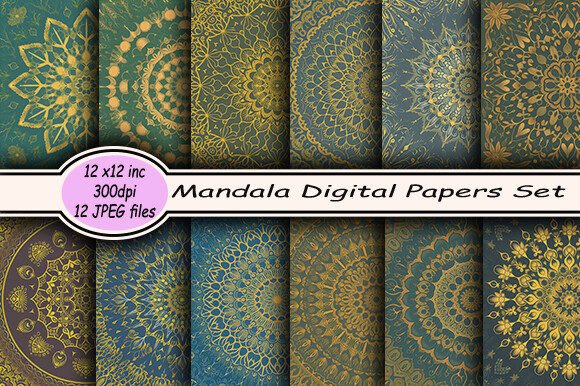
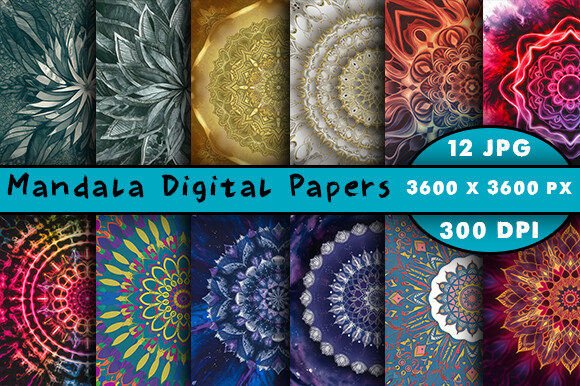
Digital assets are only as good as their technical foundation, and the Colorful Alcohol Ink Floral Illustration pack delivers on several key fronts. The 12 x 12 inch canvas size is particularly well-suited for both print and screen applications. At this scale, the intricate details of the alcohol ink patterns remain visible even when the image is used as a background or accent element.
The 300 dpi resolution ensures that prints retain sharpness and color accuracy. For context, standard screen resolution is 72 dpi, while professional print work typically requires 300 dpi. This means the illustrations can be printed on items like invitations, greeting cards, or art prints without pixelation or loss of detail. The JPEG format strikes a balance between file size and quality, making the images easy to download, store, and share across platforms.
- Canvas size: 12 x 12 inches – ideal for square compositions, album covers, and social media templates.
- Resolution: 300 dpi – print-ready for professional and home printing setups.
- Format: High-quality JPEG – widely compatible with design software, web platforms, and printing services.
- File count: Multiple unique illustrations per pack, each with distinct color schemes and floral arrangements.
These specifications mean that whether you are designing for digital consumption or physical production, the assets will perform consistently. Designers can zoom in to extract micro-patterns for textures, or use the full image as a hero element. The high resolution allows for cropping without sacrificing quality, giving creators additional flexibility.
Creative Applications Across Disciplines
The versatility of Colorful Alcohol Ink Floral Illustration makes it suitable for a wide array of uses. Below are several practical applications observed across different creative fields.
Stationery and Invitations
Wedding invitations, birthday party announcements, and event programs benefit greatly from the organic, romantic feel of alcohol ink florals. The vivid colors and fluid shapes add an artistic touch that stands out from standard graphic templates. A zoom-in on a single flower can provide a unique background for text, while the full image can serve as the main visual. Because the illustrations are digital, you can adjust opacity, overlay text, and combine multiple pieces without worrying about damaging the original art.
Digital Wallpapers and Virtual Backgrounds
For anyone looking to personalize their desktop, tablet, or phone, these illustrations offer vibrant options that change the feel of a workspace. The high resolution ensures they look crisp on retina displays and large monitors. Some creators have reported using specific color variants to match seasonal moods—cool blues and purples for winter, warm corals and yellows for summer. The lack of repeating patterns makes each wallpaper feel handcrafted rather than mass-produced.
Fashion and Textile Design
Alcohol ink patterns translate well onto fabric when used as all-over prints or accent motifs. Small-scale reproductions of the floral elements can be used for scarves, dress patterns, or tote bags. The 300 dpi resolution allows for clean scaling, and the JPEG format is compatible with most textile printing services. Fashion designers experimenting with bohemian or abstract styles may find these illustrations particularly useful as starting points for digital fabric mockups.
Digital Products and E-Commerce
Creators selling digital downloads, such as planners, sticker sheets, or printable art, can incorporate these illustrations into their product lines. The non-repeating nature of alcohol ink patterns adds value to printable wall art sets. E-commerce store owners have used the images as product photography backdrops, giving their listings a cohesive and artistic appearance. Because the files are ready to use, there is minimal post-processing required before listing.
Mixed Media and Collage Work
Artists working in mixed media can print these illustrations on various papers and combine them with hand-painted elements, stamps, or calligraphy. The AI-generated patterns offer consistent quality that pairs well with analog techniques. Some educators have used the collection to teach students about color theory and composition, analyzing how alcohol ink blooms create focal points and movement within the frame.
Who Benefits Most from This Collection
Understanding the target audience helps clarify why these illustrations are designed the way they are. Several distinct user groups find particular value in the Colorful Alcohol Ink Floral Illustration pack.
- Graphic designers seeking high-quality background assets that do not require extensive cleanup or retouching. The ready-to-use nature of the JPEG files means they can be dropped into projects immediately.
- Small business owners who need visually appealing imagery for product packaging, social media posts, or marketing materials without hiring a photographer or illustrator. The variety in the pack allows for consistent branding across different items.
- Hobbyists and DIY creators exploring digital art for the first time. The forgiving nature of alcohol ink aesthetics means that even simple layouts look polished and professional when paired with these backgrounds.
- Educators and workshop facilitators who teach digital design, color theory, or print production. The illustrations serve as case studies for discussing how AI can emulate traditional art forms.
- Content creators and influencers looking for unique visual elements that differentiate their brand from competitors using stock photography. The artistic style conveys a handmade feel that resonates with audiences seeking authenticity.
Each of these groups interacts with the illustrations differently, but the common thread is a desire for high-quality, versatile imagery that can be adapted without requiring advanced technical skills.
Considerations When Working with AI-Generated Art
While the benefits of Colorful Alcohol Ink Floral Illustration are numerous, there are practical considerations that users should keep in mind. AI-generated images, by nature, do not have the same tactile irregularities as hand-painted works. Some artists note that the patterns can feel too perfect or lack the subtle brush texture found in physical alcohol ink pieces. However, for digital applications, this consistency is often an advantage.
Another consideration is color accuracy across different screens and printing setups. The JPEG files are calibrated for general use, but users planning critical print work should perform test prints to ensure the colors match their expectations. Monitor calibration plays a significant role in how these vibrant hues appear, especially for the more saturated illustrations in the collection.
File management is also worth noting. With multiple high-resolution images, storage and organization become important. Labeling files by dominant color or flower type can save time during projects. Some users have found it helpful to create thumbnail preview folders for quick browsing.
Additionally, because the illustrations are created by AI, there may be subtle artifacts or unexpected shapes in the patterns. While this is part of the charm of alcohol ink art, users who need precise botanical realism may need to supplement the images with additional editing. For abstract and decorative purposes, however, these quirks add to the organic feel.
Exploring Creative Workflows with the Collection
Integrating these illustrations into a creative workflow can be approached in several ways depending on the end goal. For digital product creators, the most straightforward workflow involves selecting an image, adjusting brightness or contrast if needed, and placing it into a template. Because the JPEG format preserves color well, minimal editing is required.
For print applications, the workflow might include resizing the image to the desired output dimensions while keeping the resolution at 300 dpi. The 12 x 12 inch native size is convenient for standard square prints, but cropping to other aspect ratios is possible due to the high detail density. Designers working on invitations often layer text over the lighter areas of the floral patterns, using the alcohol ink blooms as natural framing elements.
Some advanced users have experimented with extracting specific color palettes from the illustrations to guide the design of accompanying graphics. Using a color picker tool, you can sample the dominant hues and create a cohesive color scheme for an entire project. This technique works well for branding packages where the floral illustration serves as the hero visual while supporting graphics echo its tones.
For those interested in animation or motion graphics, the high-resolution stills can be used as static elements in video compositions. The intricate patterns hold up well when scaled down or used as subtle background motion with parallax effects. The organic shapes of alcohol ink florals blend naturally with video content that aims for a soft, artistic aesthetic.
Trends in AI-Generated Art and Digital Florals
The rise of AI-generated illustrations has opened new possibilities for creators who previously relied on stock photography or commissioned artwork. The Colorful Alcohol Ink Floral Illustration pack sits at the intersection of two trends: the growing appreciation for alcohol ink as a fine art medium and the democratization of high-quality digital assets through AI. As more creators seek unique visuals that do not infringe on copyrighted works, AI-generated collections offer a legal and ethical alternative.
Another observable trend is the shift toward organic, imperfect patterns in digital design. After years of minimalist and geometric aesthetics, there is renewed interest in flowing, natural forms. Alcohol ink florals fit this shift perfectly because they mimic the unpredictability of nature. Designers are using these illustrations to soften rigid layouts and add warmth to otherwise sterile interfaces.
The ability to zoom into these images and discover micro-patterns also aligns with the trend of hidden details in design. When used as backgrounds, the illustrations reward close inspection, which can increase user engagement with printed materials or digital products. This characteristic is particularly valuable for products like journal covers or notebook designs where tactile and visual exploration is part of the user experience.
Educators and researchers have also taken notice of AI-generated art as a tool for teaching computational creativity. The process of training an AI on alcohol ink examples and then evaluating the output raises interesting questions about authorship, style, and the boundaries between human and machine creativity. The Colorful Alcohol Ink Floral Illustration collection serves as a concrete example that can spark discussion in academic settings.
Practical Tips for Getting the Most Out of the Collection
To maximize the value of these illustrations, consider the following approaches based on real-world usage patterns. First, maintain a color reference guide for the pack. Because the images span various palettes, having a quick visual index helps when you need a specific mood or tone for a project. Many creators organize their digital assets by color temperature or dominant flower shape.
Second, experiment with layering multiple illustrations. While each image is complete on its own, combining two or more with blending modes in software like Photoshop or Procreate can produce entirely new compositions. The translucent quality of alcohol ink makes it particularly suitable for overlays, as the colors interact in ways that resemble actual ink mixing.
Third, consider the psychological impact of the colors when choosing an illustration for a specific purpose. Warm tones like reds, oranges, and yellows tend to evoke energy and passion, while cool blues and purples suggest calm and introspection. The variety in the pack means you can select illustrations that align with the emotional tone of your project without needing to adjust the colors yourself.
Fourth, for those using the illustrations in physical products, test the printing substrate. Different papers absorb ink differently, and the vibrant appearance on screen may shift slightly when printed on matte versus glossy stock. Ordering sample prints of a few illustrations can save time and money when producing larger quantities.
Finally, share your creations. The digital art community thrives on inspiration, and showing how you have used the Colorful Alcohol Ink Floral Illustration in your work can lead to collaborations, feedback, and new ideas. Many creators post their finished projects on social media with attribution, which also helps others discover the collection.
The Role of Detail and Zoom in Creative Exploration
One frequently overlooked aspect of this illustration set is the depth of detail available at high zoom levels. Because the images are generated at 300 dpi on a 12-inch canvas, the pixel density allows for extreme close-ups that reveal the internal structure of the alcohol ink blooms. A zoomed-in view might show the fine veins of a petal, the gradient transition from one color to another, or the tiny solvent rings that form at the edges of the ink pools.
For creators working on projects that require abstract textures, these zoomed sections can be used as standalone elements. A small crop of a larger flower might become the texture for a digital brush, a pattern swatch, or a background tile. This flexibility means that the pack offers far more than the twelve distinct images it contains; each image is a source of hundreds of potential micro-designs.
Educators have used this property to teach students about observation and abstraction, asking them to select a small section of an illustration and reinterpret it in another medium. The exercise highlights how much information is embedded in high-resolution digital art and encourages close looking—a skill that translates to better design practice.
For business owners creating social media content, zoomed details can serve as visually engaging posts that break up a feed filled with product shots. The abstract nature of the close-ups invites curiosity and often generates higher engagement because viewers are drawn to investigate the image.
Final Thoughts on Integrating Alcohol Ink Florals into Your Practice
The Colorful Alcohol Ink Floral Illustration collection represents a convergence of traditional artistic sensibility and modern AI capability. Its practical specifications, versatile applications, and rich visual detail make it a valuable resource for professionals and hobbyists alike. Whether you are designing invitations, building a brand identity, creating digital products, or teaching design principles, these illustrations offer a foundation that supports a wide range of creative outcomes.
The key to using them effectively lies in understanding their strengths: high resolution, vivid color, organic pattern, and non-repetitive composition. By respecting these qualities and adapting your workflow around them, you can produce work that feels both fresh and intentional. The collection invites exploration, and each use case reveals new possibilities that extend well beyond the initial download.