Good Quality Logo Template Artwork: A Practical Evaluation for Design Buyers
When you need a professional emblem, brand mark, or graphic symbol for a project, the phrase "good quality logo template artwork" often appears in your search. It describes pre-made design files that are intended to be customized rather than created from scratch. For many individuals and small businesses, these templates represent a middle ground between hiring a professional designer and attempting to build something from zero. Understanding what constitutes good quality template artwork and how to evaluate it can help you make a more informed purchasing decision.
Logo template artwork is essentially a set of vector-based design files that contain the shapes, paths, and visual elements of a logo. These files are not final products; they are starting points. The quality of the artwork depends on several factors, including the precision of the vector shapes, the organization of layers, the range of file formats provided, and the ease with which you can modify colors and textures. A well-made template should look clean at any size, from a business card to a billboard, because vector graphics are resolution-independent.
Why Choose Logo Template Artwork
People turn to logo template artwork for a variety of practical reasons. Budget is often the primary driver. Custom logo design from an agency can cost hundreds or thousands of dollars, while a single template or a bundle of templates is available for a fraction of that. Time is another factor. If you need a logo for an event, a temporary campaign, or a side project, waiting weeks for a custom design may not be feasible. Templates give you immediate access to professional-looking structures that you can adapt in minutes.
Another reason is creative control. When you purchase a template, you are not locked into someone else’s interpretation. You can adjust colors, rearrange elements, swap fonts, and combine parts from different templates. This flexibility appeals to people who have a clear vision but lack the technical skills to execute it from scratch. It also suits those who want to experiment with multiple looks before settling on a final version.
For businesses that need a consistent look across multiple products, good quality logo template artwork provides a foundation that can be adapted for t-shirts, mugs, book covers, crests, business cards, and flyers. The ability to maintain visual coherence while customizing for different applications is a significant advantage.
What Defines Good Quality in Logo Template Artwork
Not all templates are created equal. Good quality logo template artwork typically shares several characteristics. First, it is built with 100 percent vector shapes. This means every curve, line, and fill is mathematically defined, so you can enlarge or shrink the design without loss of sharpness. Vector formats also allow you to edit individual components separately, which is essential for customization.
Second, the file organization matters. A well-structured template uses clearly named layers and groups. If you open the file in Adobe Illustrator or a similar program, you should be able to find the background, foreground, text, and decorative elements quickly. This saves time and reduces frustration, especially if you are not an advanced user.
Third, the range of included formats affects usability. Look for templates that provide AI, EPS, SVG, DXF, and PNG versions. AI and EPS are standard for professional vector editing. SVG is useful for web and screen applications. DXF is commonly used with cutting machines and certain CAD programs. PNG with a transparent background is convenient for quick mockups or for users who do not have vector editing software. A good template set covers all these bases so you can work in whatever environment you prefer.
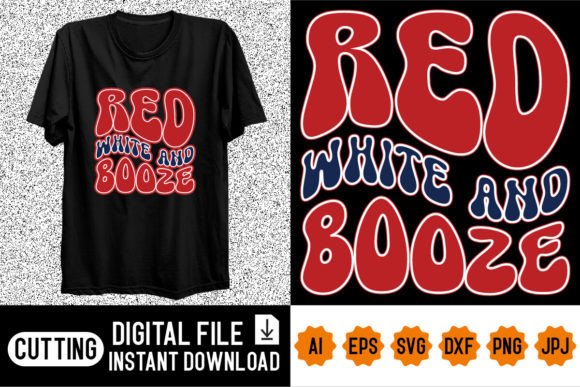
Fourth, color customization should be straightforward. Good templates are built with global colors or easily adjustable swatches. If the artwork is designed for both dark and light backgrounds, the file should include separate versions or easily switchable color groups. For example, a design intended for a dark t-shirt might have a white or light-colored base, while the same design for a white shirt might be inverted. The best templates account for these variations within the file structure.
Benefits of Using Logo Template Artwork
The most tangible benefit is cost efficiency. You can obtain a collection of high-quality vectors for a fraction of the price of a single custom design. This allows you to try different styles without a major financial commitment. If you run a business that regularly launches new products or seasonal lines, having a library of template artwork gives you a quick way to generate fresh looks.
Another benefit is the reduction of technical barriers. Even if you have limited experience with design software, a well-made template lets you produce results that look polished. You can change colors, resize elements, and add your own text without needing to understand bezier curves or complex path editing. This makes good quality logo template artwork accessible to entrepreneurs, event organizers, and hobbyists who do not have design training.
Speed is also a practical advantage. Because the structural work is already done, you can go from download to final print-ready file in a single session. This is useful when you are working under a tight deadline or need to produce multiple variations for testing. Many templates are designed for instant printing, which means the color modes and resolutions are already set appropriately for common output methods.
Tradeoffs and Limitations to Consider
While logo template artwork offers many advantages, it is not a perfect solution for every situation. One tradeoff is uniqueness. Because templates are sold to multiple buyers, there is a chance that the same design could be used elsewhere. If your brand relies on a distinct visual identity that no one else shares, a template may not be the best fit. You can mitigate this by heavily customizing the template, but the underlying structure will still be recognizable to someone familiar with that specific asset.
Another limitation is the depth of the design. Templates are often created to appeal to a broad audience, so they may lack the nuanced meaning or strategic alignment that a custom logo designed specifically for your business would have. A logo is more than a graphic; it conveys values, personality, and positioning. A template cannot take into account your industry, target audience, or competitive landscape unless you invest significant effort into adaptation.
File format compatibility is another consideration. While many templates include AI, EPS, SVG, DXF, and PNG, not all software supports every format. If you are using an older version of a design program or a less common application, you may need to convert files or request additional formats. Check the specifications before purchasing to ensure the template works with your tools.
There is also a learning curve, even with good templates. If you are new to vector editing, you will need to spend time understanding how to open, navigate, and save the files. While the template itself may be high quality, your ability to use it effectively depends on your comfort with the software. Some templates come with instructions or video guides, but many do not.
When Logo Template Artwork Is a Strong Fit
Good quality logo template artwork works best in situations where speed, budget, and flexibility are priorities. For instance, if you are organizing a community event and need branded materials quickly, a template can be adapted and printed in a day. Similarly, if you are launching a small online store and want to test multiple product lines without investing heavily in custom design, templates give you the versatility to iterate.
Templates are also practical for internal projects, prototypes, or placeholders. If you are developing a website or app and need a temporary logo while the final brand identity is being developed, a template can serve that purpose. You can replace it later without having wasted significant resources.
For physical products like t-shirts, mugs, and flyers, templates designed specifically for these applications save time. They often come with pre-sized artboards, correct color modes (CMYK for print), and layers that separate the design for different background colors. This makes them ready for production with minimal adjustment.
When Alternatives May Be Worth Considering
If your business depends on a distinctive and legally protectable brand identity, a custom logo designed from scratch is likely a better investment. A designer can research your market, create something original, and provide trademark guidance. A template cannot offer this level of strategic depth.
Similarly, if you lack the time or desire to customize a template, hiring a designer may be more efficient. Customization still requires some effort, even if the template is well-made. If you prefer to focus on other aspects of your business, paying for a complete design service could save you time and deliver a result that feels more tailored.
For users who need extreme precision or specific technical specifications, such as exact color codes for a corporate brand or complex gradients and effects, a template may not meet those requirements. While you can modify many aspects of a vector file, some changes are labor-intensive if the original structure is not designed for them.
Practical Decision-Making Insights
When evaluating good quality logo template artwork, start by examining the file formats offered. The presence of AI, EPS, SVG, DXF, and PNG indicates that the creator has considered different workflows. Next, look at the preview images. Are the designs clean and well-proportioned? Do they include examples on both light and dark backgrounds? A provider who shows versatility is likely offering a higher level of craftsmanship.
Check the level of detail in the vector shapes. Zoom in on the preview if possible. Low-quality templates often have jagged edges, uneven curves, or poorly aligned elements. High-quality templates maintain precise geometry at any scale. If the shop mentions that the designs are made with 100 percent vector shapes, this is a positive signal.
Consider how much customization you plan to do. If you want to change only a few colors and add text, a simpler template is sufficient. If you anticipate combining elements from multiple designs or making structural changes, look for templates with well-organized layers and groups. The more modular the file, the easier it will be to adapt.
Finally, think about the context in which you will use the logo. For screen-based applications, SVG is ideal. For print, you will likely work with AI or EPS and convert to CMYK. If you need a quick preview or want to share the logo with someone who does not have design software, the PNG version is useful. A good template set covers all these scenarios.
Exploring a collection of good quality logo template artwork can be a productive way to build a visual identity without a large budget or extensive design skills. By understanding the strengths and limitations of templates, you can decide whether they align with your goals. When you find a template that matches your vision and is built with precision, it can serve as a reliable foundation for your project. Take time to review the files, test the customization process, and choose designs that offer the flexibility you need. With the right template, you can achieve professional-looking results that meet your practical requirements.